


Nutrition for Muscle Building in Women: Calorie Deficit or Calorie Surplus?

Before we get into the details, let's clarify a very important question: Should you aim for a calorie deficit or a calorie surplus if you want to build muscle as a woman? The answer is clear: To build muscle effectively, you need a calorie surplus. This means you should consume more calories than you burn. Why? Because your body needs extra energy to build new muscle mass. This surplus ensures that there are enough resources to support the repair and growth of your muscles.
Muscle-Building Nutrition for Women: How Large Should a Calorie Surplus Be for Ideal Muscle Building?
The exact size of the calorie surplus you need to build muscle depends on various individual factors, including your body weight, your metabolism, and your training level. However, there are some general guidelines that can serve as a starting point.
Nutrition for Muscle Building in Women: Calorie Surplus of About 250-500 Calories
For nutrition aimed at successful muscle building, we generally recommend a moderate calorie surplus. This surplus should be about 250-500 calories above your daily energy requirements . This way, you have enough extra energy available to support the muscle-building process without accumulating excessive fat.
It is important to note that a calorie surplus that is too large does not necessarily lead to faster muscle building. Instead, you could build up more fat tissue than desired. A calorie surplus is therefore not synonymous with overeating and weight gain. It is about finding the optimal distribution of nutrients—protein, carbohydrates, and fat—to build muscle without accumulating too much fat. A controlled surplus allows you to build muscle while keeping fat gain in check. So, let's move on to our recommendation for the ideal distribution of nutrient intake for your muscle building.
Nutrition for Muscle Building in Women – Distribution of Protein, Carbohydrates, and Fat
A balanced diet is the key to successful muscle building. It should consist of protein, carbohydrates, and healthy fats . These nutrients provide your body with the necessary energy and building blocks to build and maintain muscle.
We recommend the following distribution for your muscle-building diet:
30% protein
50% carbohydrates
20% fat
Now let's look at why these three nutrients are so important.
How Much Protein Do I Need Per Day for Muscle Building, and Why?

Protein plays a crucial role in muscle building, and it is important to incorporate the right amount of protein into your diet to achieve optimal results. The exact amount depends on various factors, including your body weight, your training intensity, and your goals. Here are some guidelines that can serve as a reference:
For muscle building, we recommend that at least 30% of your daily calorie intake comes from protein, or alternatively, our recommendation is a daily intake of 2 g of protein per kg of body weight for optimal muscle building. So, if you weigh 60 kilograms, for example, that would be 120 grams of protein per day. But why exactly are proteins so important?
- Muscle repair and growth: Protein is rich in amino acids, the building blocks of muscles. After training, your muscles need these amino acids to recover and grow. Sufficient protein in your diet supports this process.
- Satiety: High-protein foods can help increase your feeling of fullness and prevent cravings. This can help you control your calorie intake while building muscle.
- Metabolism: Digesting protein requires more energy than carbohydrates or fats. This leads to a slightly increased metabolism, which in turn can help support fat loss.
- Maintenance of muscle mass: During a calorie deficit, such as when dieting, protein can help minimize the loss of muscle mass. This is important to ensure that muscle building is not compromised by fat loss.
It is important to include high-protein foods in your muscle-building diet, such as
- Chicken breast: Chicken breast contains about 25 g of protein per 100 g.
- Salmon: Salmon contains approximately 20-25 g of protein per 100 g, depending on the variety.
- Red meat: Lean beef, such as fillet or rump steak, contains about 30 g of protein per 100 g.
- Eggs: Eggs contain approximately 13 g of protein per 100 g.
- Quark: Quark contains about 10-15 g of protein per 100 g, depending on the fat content.
- Tofu: Tofu contains about 8-15 g of protein per 100 g, depending on the type and preparation.
- Legumes: Beans, lentils, and chickpeas contain about 6-9 g of protein per 100 g.
- Skimmed milk: Skimmed milk and low-fat dairy products such as yogurt and quark contain about 3-4 g of protein per 100 g.
- Seitan: Seitan contains about 25-75 g of protein per 100 g, depending on the preparation and manufacturing.
- Cottage cheese: Cottage cheese contains about 10-12 g of protein per 100 g, depending on the fat content.
- Lentils: Lentils contain about 25-27 g of protein per 100 g, depending on the variety and preparation.
How Many Carbohydrates Do I Need Per Day for Muscle Building, and Why?

Carbohydrates are an important part of your diet, especially when it comes to muscle building . The amount of carbohydrates you need daily varies depending on your individual energy requirements, your training level, and your goals. Here are some general guidelines:
Carbohydrates are your body's main energy source, especially during intense physical activity such as strength training. They are stored in your muscles and liver in the form of glycogen and serve as a quick energy source to achieve maximum performance during training.
For muscle building, we recommend that about 50% of your daily calorie intake comes from carbohydrates . This amount can vary depending on individual needs and preferences. Why are carbohydrates so important?
- Energy for training: Carbohydrates provide you with the energy you need to work intensely and effectively during training. A lack of carbohydrates can lead to premature fatigue and impair your training performance.
- Muscle recovery: After training, carbohydrates help replenish the glycogen stores in your muscles. This is important for recovery and muscle growth.
- Insulin levels: Carbohydrates stimulate the release of insulin, a hormone that promotes the transport of nutrients into muscle cells. This can support protein synthesis and muscle building.
- Metabolism: Sufficient carbohydrate intake can help maintain your metabolism and support fat metabolism.
It is advisable to prefer complex carbohydrates, as they are digested slowly and provide sustained energy. These include:
- Whole-grain products: Whole-grain bread, whole-grain pasta, whole-grain rice, and whole-grain muesli contain about 70-80 g of carbohydrates per 100 g.
- Oats: Oats contain about 60-65 g of carbohydrates per 100 g.
- Quinoa: Quinoa contains about 64 g of carbohydrates per 100 g.
- Sweet potatoes: Sweet potatoes contain about 20-22 g of carbohydrates per 100 g.
- Legumes: Beans, lentils, and chickpeas contain about 60-65 g of carbohydrates per 100 g.
- Bulgur: Bulgur contains about 70-75 g of carbohydrates per 100 g.
- Potatoes: Potatoes contain about 15-20 g of carbohydrates per 100 g, depending on the variety and preparation.
- Vegetables: Vegetables such as broccoli, spinach, carrots, and tomatoes contain about 4-10 g of carbohydrates per 100 g, depending on the variety.
- Quark: Quark contains about 3-4 g of carbohydrates per 100 g.
- Banana: A banana contains about 23-25 g of carbohydrates per 100 g.
Avoid highly processed and high-sugar carbohydrates, as they can lead to significant blood sugar fluctuations.
How Much Fat Do You Need Per Day for Muscle Building, and Why?
The amount of fat you need daily for muscle building depends on various factors, including your total energy requirements, your individual goals, and your personal preferences. As a general guideline, we recommend that about 20% of your daily calorie intake should come from fat if you want to build muscle.
Here are some reasons why fat is important for muscle building in women:
- Hormone regulation: Fat plays a crucial role in the production of hormones, including sex hormones such as estrogen. Sufficient fat intake is important to maintain a healthy hormonal balance, which in turn supports muscle growth.
- Energy source: Fat is an important energy source for your body, especially during intense training sessions. It provides long-lasting energy and can help you stay capable during training.
- Fat-soluble vitamins: Fat is necessary to absorb and transport fat-soluble vitamins (A, D, E, and K). These vitamins are important for overall health and can also support muscle building.
- Satiety: High-fat foods can help you feel full for longer. This can help you avoid overeating and keep your calorie intake under control.
It is important to focus on healthy fat sources that contain unsaturated fats and omega-3 fatty acids. These include foods such as
- Avocado: Avocado contains about 14 g of healthy fats per 100 g. It is rich in monounsaturated fatty acids, especially oleic acid.
- Olive oil: Olive oil contains about 14 g of healthy fats per 15 ml (about 1 tablespoon). It is rich in monounsaturated fatty acids and also contains polyphenols.
- Nuts: Various types of nuts such as almonds, walnuts, and cashews contain about 40-50 g of healthy fats per 100 g. They also provide protein and fiber.
- Chia seeds: Chia seeds contain about 31 g of healthy fats per 100 g. They are particularly rich in omega-3 fatty acids.
- Flaxseed: Flaxseed contains about 42 g of healthy fats per 100 g. It is also an excellent source of fiber.
- Fish (salmon, mackerel, tuna): Fatty fish varieties such as salmon, mackerel, and tuna contain about 10-20 g of healthy fats per 100 g. They are rich in omega-3 fatty acids, which can have anti-inflammatory effects.
- Coconut: Coconuts and coconut oil contain about 33 g of healthy fats per 100 g. They contain medium-chain triglycerides (MCTs), which are easily digestible.
- Foods with avocado oil: Products prepared with avocado oil can also be a good source of healthy fats.
- Seed mixtures: Mixtures of various seeds such as sunflower seeds, pumpkin seeds, and sesame seeds can contain about 40-50 g of healthy fats per 100 g.
- Olives: Olives contain about 15 g of healthy fats per 100 g. They are also rich in antioxidants.
Saturated fats and trans fats should be avoided or kept to a minimum, as they are associated with health risks and do not promote muscle building.
Example: Muscle-Building Meal Plan for Women
Here is an example of what an ideal muscle-building meal plan for one day could look like:
Breakfast:
- A serving of oatmeal with berries and chopped nuts
- Pair it with a protein coffee. With our Flexpresso powder for a creamy, delicious protein coffee , you can provide your body with real coffee and up to 22 g of high-quality whey protein per serving right in the morning.[1]
Snack:
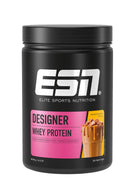
- A refreshing protein drink such as our Clear Whey Protein Isoclear. It is available in many delicious fruity flavors and offers you ideal protein support with up to 26 g per shake.[2] If you are in the mood for a creamy protein drink that tastes like a milkshake, then try our popular Designer Whey Protein with incomparably delicious flavors and 22 g of protein per serving.[3]
Lunch:
- Grilled chicken with quinoa and steamed vegetables
Snack:
- Protein pancakes or waffles with fresh berries. With our Protein Pancake & Waffle Mix , you can make a delicious snack with up to 30 g per serving[4] – without huge amounts of sugar[5], fat, and so on!
- Alternatively, you can also eat a protein bar , such as our Designer Bar in delicious flavors with a creamy core. It contains no added sugar or palm oil, but boasts 14 g of protein per bar.[6]
Dinner:
- Salmon fillet with sweet potato mash and steamed broccoli
Snack:
- A delicious protein shake that optimally provides you with protein for the night. With our Designer Bedtime Protein , you optimize your recovery and muscle growth while you sleep with the special Overnight Muscle Growth Formula.[7]
Further tips for nutrition to build muscle in women
- Regular meals: Plan regular meals and snacks to ensure that your body is continuously supplied with nutrients. This not only supports muscle growth but also helps to avoid cravings.
- Hydration: Don't forget to drink enough water. Your body needs water to carry out all metabolic processes efficiently, including muscle growth.
- Supplements: It can be useful to take dietary supplements such as protein powder or creatine to optimally support your muscle growth.
Conclusion
In conclusion, it can be said that nutrition and muscle growth are closely linked . With a calorie surplus, sufficient protein, carbohydrates and healthy fats as well as a well-thought-out muscle-building nutrition plan , you can successfully support your muscle-building goals. Remember that muscle building is about patience and consistency. It is important to stay consistent over a longer period and to adapt your nutrition and training when you make progress or notice changes in your body. This way, you can ensure that you achieve the best possible results in muscle building.
Sources
- One serving corresponds to 30 g of powder and 250 ml of water.
- One serving corresponds to 30 g of powder and 500 ml of water.
- One serving corresponds to 30 g of powder and 200 ml of water.
- One serving corresponds to 50 g of powder with 100 ml of water.
- Contains only naturally occurring sugar.
- Contains only naturally occurring sugar. Except for the Designer Bar Peanut Caramel.
- The milk protein complex supports the increase and maintenance of muscle mass. The additional fortification with magnesium supports normal protein synthesis and vitamin B6 supports the regulation of hormonal activity. And all this while you sleep – for optimal recovery.
