





Have you heard that your training makes you more susceptible to infections during cold season? Wrong! With a few adjustments and the right nutrient intake, you can even benefit immunologically from your workout. Here’s how.
Your Immunity Booster
How your immune system benefits from training
✅ Train regularly, but moderately lowers your risk of catching a cold.→ So: more frequent moderate sessions, more everyday activity (cycling, walking), but less maximum strength + HIIT workouts during cold season.
✅ More sleep: <6–7 h of sleep significantly increases susceptibility to colds. Therefore: prioritize 7–9 h.
✅ More calories/energy availability: A persistent calorie deficit can weaken immune functions. Therefore: don't "cut" aggressively during the cold season, but use it as a bulking season.
✅ More hygiene & less contact load: After hard indoor sessions, don't immediately stay in a dense crowd; washing hands / rinsing the nose are simple levers.
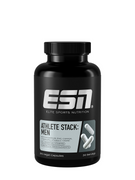
✅ Vitamins & minerals: Further support the immune system with nutrients such as vitamin C, vitamin D, and zinc.


What is really true
The frequently cited "open-window effect"—the supposedly greatly increased susceptibility to infection after intense exercise—is increasingly being called into question by scientists. Newer studies show that context is key.
Those who get enough sleep, eat a balanced diet, and avoid chronic overexertion actually benefit immunologically from regular exercise. Moderate to intense exercise can activate immune cells and improve immune function.
It is only in cases of chronic stress, energy deficiency, or overtraining that immunity can truly be weakened—not by hard exercise itself, but by inadequate recovery and nutrient deficiencies.
👉 In short: Exercise is not a risk to your immune system—as long as you give your body what it needs to stay strong.
Get the right fuel for less!
What your body needs during cold and flu season
Secure it now with 25% off
British Journal of Sports Medicine+1
Vitamin C contributes to the normal function of the immune system, helps maintain the normal function of the immune system during and after intense physical activity (positive effect with ≥ 200 mg of vitamin C daily), and helps protect cells from oxidative stress.
Vitamin D contributes to the normal function of the immune system.
Zinc contributes to the normal function of the immune system and helps protect cells from oxidative stress.
Vitamin B6 contributes to the normal function of the immune system.
Vitamin B12 contributes to the normal function of the immune system.
Folic acid (folate) contributes to the normal function of the immune system.
Magnesium contributes to the reduction of tiredness and fatigue and to normal energy metabolism.
Melatonin helps reduce the time it takes to fall asleep (positive effect with 1 mg of melatonin shortly before bedtime).